
At Elevation Volleyball Club in Colorado, player development doesn’t stop when athletes leave the gym. Through video, performance data and film review, coaches are giving athletes another way to understand their game, identify areas for growth and take greater ownership of their development.
For Elevation Girls’ Club Director Trezha Whitaker, Hudl is most valuable when it connects what athletes learn in practice with what happens in competition.
“There’s a big difference between a coach telling an athlete, ‘Here’s what I’m seeing,’ and being able to sit beside that athlete, pull up the film, and allow them to see it for themselves,” Whitaker said. “Video creates an opportunity for athletes to better understand the why behind the feedback they are receiving.”
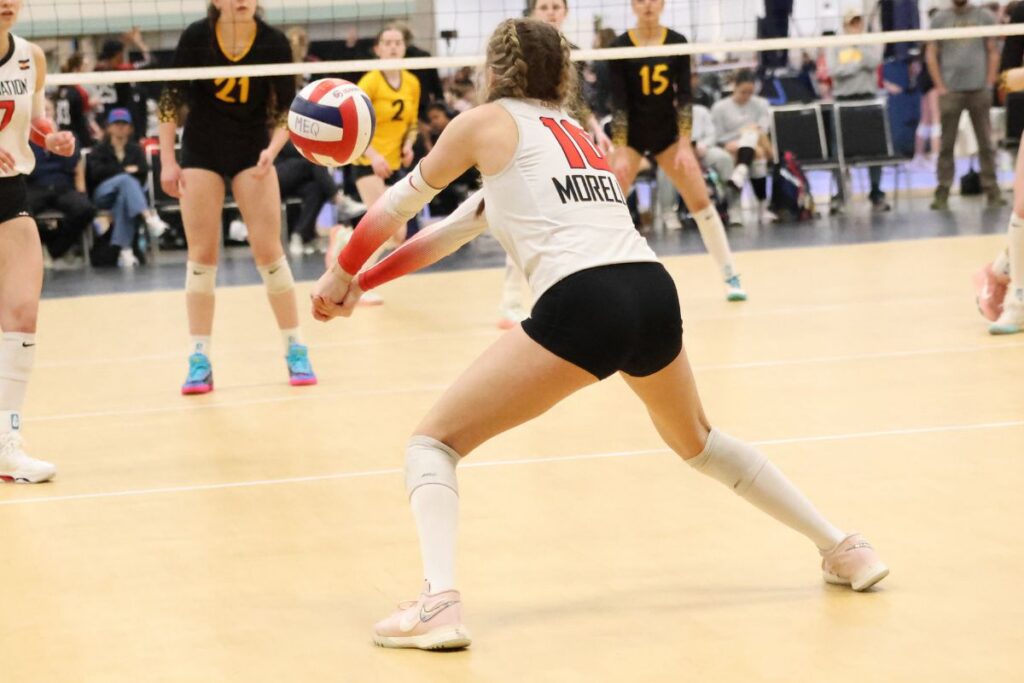
Connecting Practice to Competition
Throughout the season, Elevation coaches use Hudl film and data to reinforce what athletes are learning in the gym. Whether the focus is serve receive, defensive positioning, transition, attacking decisions, serving strategy, individual skills or team systems, video gives coaches an objective reference point for evaluating performance.
Rather than relying solely on what they remember seeing during a match, coaches can return to the film, identify patterns and use that information to shape future practices.
The process is simple: prepare, compete, reflect and return to the gym.
Before tournaments, coaches use opponent film to scout tendencies, rotations, personnel, serving and receiving patterns, and offensive preferences. The goal isn’t to overwhelm athletes with information, but to identify details that help them enter competition prepared and confident.
During tournaments, film and data give coaches another layer of information as they make adjustments. After competition, coaches can evaluate whether the team executed what it had trained, identify areas requiring additional attention and bring those lessons directly back into practice.
“Hudl helps us make that cycle much more intentional,” Whitaker said.
Turning Data Into Better Coaching
For Elevation’s coaches, quicker access to video and performance data helps turn subjective observations into concrete information.
A coach may feel that an issue is occurring frequently during a match, but film and statistics allow the staff to ask a more important question: Is that actually what’s happening?
Sometimes the answer confirms what the coach saw. Other times, the data challenges that initial perception.
That distinction can change how practices are structured.
Instead of returning to the gym with a general goal such as “We need to pass better,” coaches can use film and data to identify a specific rotation, seam, server, movement pattern, skill or decision contributing to the problem. The next practice can then focus on solving a specific issue rather than simply accumulating more repetitions.
One example came from Elevation’s 15 Peak team last season. The coaching staff regularly reviewed side-out percentages by rotation to identify which rotations were most efficient.
The data also influenced the team’s decision-making before matches. When given the choice, Elevation consistently elected to receive rather than serve because the team valued the opportunity to side out and establish control of the match immediately. Their statistics showed that the receiving team scored the point approximately two-thirds of the time.
That ability to identify a pattern, make an adjustment and measure whether it worked is an important part of Elevation’s development philosophy.
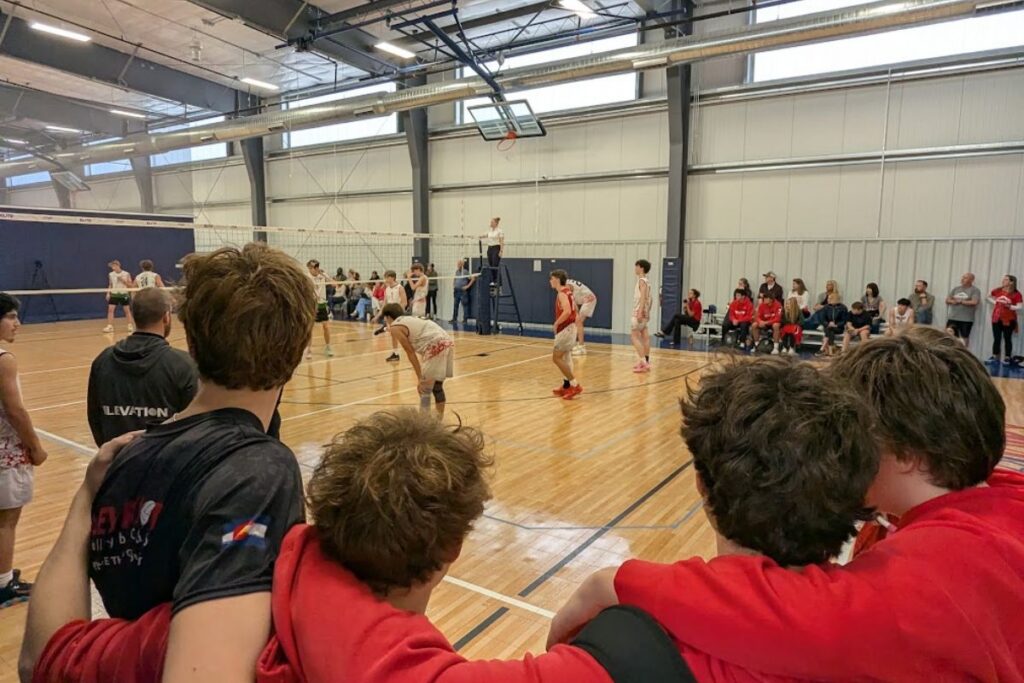
Teaching Athletes to Own Their Development
While coaches have access to powerful tools through Hudl, Elevation doesn’t want athletes to become dependent on technology or their coaches.
Instead, the club wants players to become students of their own game.
“One of our larger goals at Elevation is to develop athletes who understand their own game rather than athletes who are completely dependent on a coach to tell them what they did well or what they need to improve,” Whitaker said.
Film review gives athletes an opportunity to develop that self-awareness.
Rather than simply watching their best plays or focusing exclusively on mistakes, athletes are encouraged to approach film with curiosity. They can ask: What happened before the outcome? Was I in the right position? What information was available to me? Did I make the right decision even if the result wasn’t successful? Am I consistently doing what we’ve been working on in practice?
An attacker can evaluate more than whether she recorded a kill. She can look at her transition, approach, available shots and decision-making. A passer can examine her starting position, movement, platform and the type of serve she was receiving rather than focusing solely on a passing statistic.
That changes the conversation between athletes and coaches.
Instead of every film session beginning with a coach telling an athlete what needs to be fixed, coaches can ask, What are you seeing?
The result is an athlete who becomes more involved in identifying the problem and finding the solution.
When Film Makes the Difference
One Elevation athlete’s experience demonstrates how powerful that process can be.
The athlete was working through her out-of-system approach timing. Coaches had emphasized waiting for the set before beginning her approach, but the adjustment wasn’t consistently transferring into competition.
Using Hudl, the coaches were able to show her exactly what was happening.
Film revealed that she was leaving on the team’s in-system tempo, causing her to be consistently early and already on her way down from her approach when attacking out of system.
With that information, the coaching staff created a more targeted plan. Instead of focusing primarily on the outcome of the swing, practices emphasized the athlete’s first-step takeoff. Subsequent film was used to determine whether the adjustment carried over into competition.
Over several weeks, the athlete saw a measurable increase in her overall hitting percentage, while her out-of-system errors changed significantly.
More importantly, she understood why the adjustment mattered.
She had been part of identifying the issue, working through it and seeing the progress on film.
Supporting Athletes Beyond the Court
Hudl’s value at Elevation extends beyond player development and match preparation. The platform also helps athletes navigate the recruiting process.
The club uses Hudl to help athletes create and share video with college programs while teaching them that recruiting is about more than assembling a highlight reel.
College coaches can use video to evaluate how an athlete moves, communicates, competes, responds after mistakes and makes decisions within the context of a team. Highlight videos can introduce an athlete to a program, while full-match film provides additional context.
Elevation also encourages athletes to take an active role in identifying schools that could be a good fit academically, athletically and personally.
Rather than simply hoping to be discovered, athletes learn how to research programs, narrow their options, communicate professionally with college coaches, share film and follow up throughout the process.
Hudl’s college search tools can help athletes organize that process by allowing them to identify schools and programs based on the factors that matter to them.
For Elevation, the goal is to help athletes become active participants in their recruiting journey rather than passive participants waiting for opportunities to come to them.
A More Complete Picture of Development
At the heart of Elevation’s approach is the belief that technology should enhance, not replace, the relationship between an athlete and her coach.
Volleyball is too dynamic for statistics or video to tell the entire story. Coaches still rely on their knowledge of an athlete, what they see in the gym, what they observe during competition and the conversations they have with their players.
Hudl simply adds another piece to the picture.
By combining coaching expertise with film and data, Elevation can identify patterns, create more specific training plans, measure progress and help athletes understand their performance.
Perhaps most importantly, athletes learn how to ask better questions about their own game.
The result is a development process that doesn’t end with a coach telling a player what happened. Athletes are given the opportunity to see it, understand it, work through it and take ownership of what comes next.